 IGUANIFY
Ship Serialized Vertical Video Storytelling Without a Crew for Creators
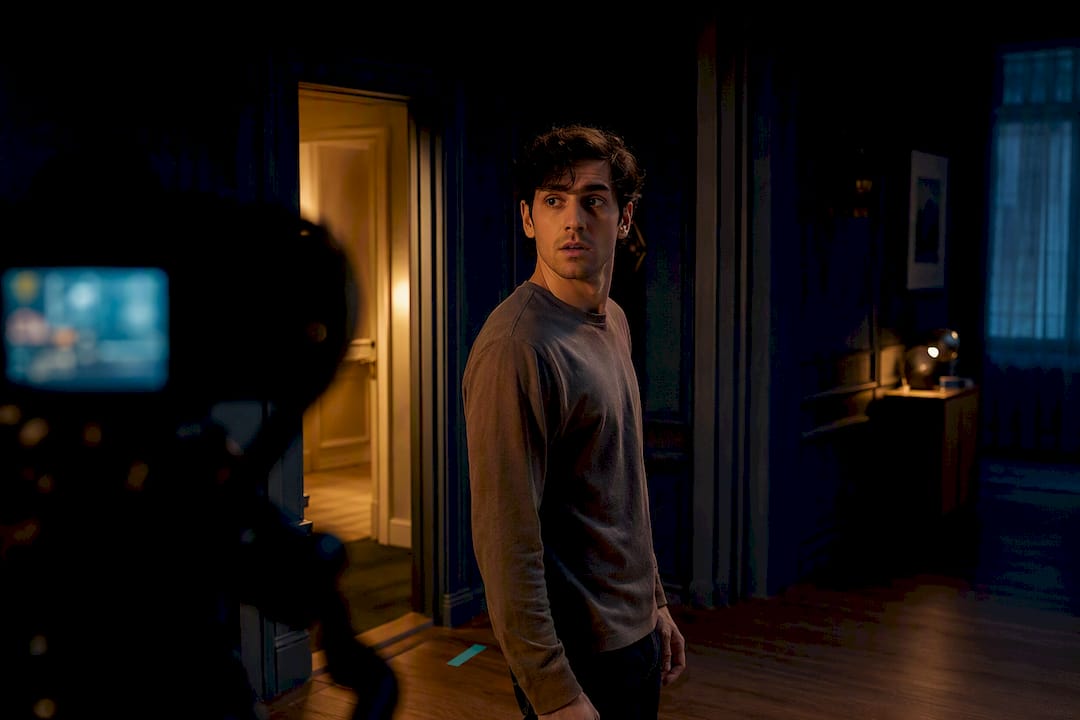
Vertical video storytelling is mobile-first narrative built for 9:16 portrait screens, using close framing and fast pacing to create emotional connection in seconds rather than minutes. It works because it matches how phones are actually held and watched. Creators chasing completion rate and marketers chasing scroll-stopping ads both need it, and so does anyone building a serialized show meant to live entirely inside a vertical feed.
TL;DR:
- Shooting in native vertical format ensures key information and reactions are framed within the safe zone, avoiding UI overlays and awkward crops.
- Short-form vertical content like Reels and Shorts thrive with runtimes of 15 to 60 seconds, focusing on one core idea with a strong hook.
- Serialized vertical stories benefit from a fixed structure with clear arcs, cliffhangers, and consistent character continuity across episodes.
- Automated production tools like Iguanify enable small creators to generate multi-episode series quickly while maintaining ownership and quality.
- Engagement is driven more by story-specific cues such as cliffhangers and reaction shots rather than hashtags or generic calls to comment.
Table of Contents
- Why Vertical Storytelling Works: Attention, Intimacy, and Pacing
- How Do You Compose a Vertical Video for Maximum Impact?
- What Formats and Runtimes Work Best for Vertical Stories?
- Building a Production Workflow for Vertical Episodes
- Where Should You Publish, and What Should You Measure?
- How Do You Plan a Vertical Story People Actually Finish?
- How Iguanify Approaches Automated Episodic Vertical Production
- Audience Engagement Strategies Built for Vertical Formats
- Common Pitfalls in Vertical Storytelling and How to Fix Them
- Advanced Techniques: Sound, Interactivity, and Format-Native Tricks
- Author Perspective: Creative Opportunities and Trade-Offs
- Produce Serialized Vertical Episodes Without the Production Team
- Primary Sources and Further Reading
- Sources
Why Vertical Storytelling Works: Attention, Intimacy, and Pacing
Phones get held one way, and vertical video meets viewers exactly there instead of asking them to rotate a screen or squint at a letterboxed frame. That small friction removal matters more than it sounds. Every rotation, every awkward crop, is a chance for a thumb to keep scrolling.
Close framing does the rest of the work. A face filling most of the frame reads as intimate almost automatically, and intimacy is what stops a scroll. Industry writeups increasingly treat vertical filmmaking as its own creative language, built around compressed structure and mobile-first pacing rather than borrowed rules from widescreen film.
Vertical storytelling is a mobile-first narrative approach built specifically for 9:16 aspect ratios, prioritizing immediate emotional clarity through faces and reactions over environmental wide shots. That single design constraint reshapes everything downstream: shot selection, dialogue length, even where you place a cut.
Platforms reward this behavior structurally, too. Completion and rewatch signals feed the algorithms that decide what gets pushed to more feeds, so pacing isn’t just an artistic choice. It’s a distribution lever. Vertical formats trace back further than most creators realize. Portrait-native features have been part of platform DNA since Instagram Stories launched, and every iteration since has doubled down on the same bet: native vertical outperforms cropped horizontal.
How Do You Compose a Vertical Video for Maximum Impact?
Composition rules for portrait video aren’t the same ones you learned shooting 16:9, and ignoring that gap is the fastest way to lose viewers to platform UI.
Platform overlays, from usernames to caption bars to comment icons, routinely eat the top and bottom 10% of the screen, and testing shot composition inside that central band is standard practice for anyone serious about vertical output.
Beyond the safe zone, a few habits separate scroll-stopping vertical video from amateur crops:
- Frame tight on faces and hands. Wide establishing shots waste the format’s biggest strength: intimacy.
- Give headroom that follows the subject’s eye line, not the center of the frame.
- Place subtitles in the middle third of the screen, never flush to the bottom edge.
- Cut scenes every 2 to 4 seconds during setup, then let key emotional beats breathe for a second longer.
- Drop a small audio or visual cue right before your last 3 seconds to signal a turn is coming.
Pro Tip: Shoot a “safe zone test” clip once per project: record your phone screen playing the raw footage inside the actual app, not just the editing timeline, so you catch UI overlaps before you publish.
A basic shot list for a single scene: wide establishing beat (used sparingly, if ever), medium two-shot for dialogue, tight reaction shot, insert shot on an object driving the plot, and a final reaction close-up held into the cut.
What Formats and Runtimes Work Best for Vertical Stories?
Format choice depends on whether you’re making one strong moment or building a world viewers return to.
- Reels and Shorts: 15 to 60 seconds, single complete idea, front-loaded hook, built for one-off discovery rather than a returning audience.
- Vertical microdrama episodes: typically 1 to 3 minutes per episode, serialized across dozens or hundreds of installments, with nearly every episode ending on a cliffhanger to pull viewers into the next one.
- Branded vertical ads: 15 to 30 seconds, structured like a Reel but written toward a specific action instead of a laugh or a twist.
Runtime dictates structure. A 30-second Reel has room for exactly one hook and one payoff. A 90-second microdrama episode needs a hook, a complication, and an escalation before its cliffhanger lands. Genre matters here too: romance, thriller, and supernatural stories consistently perform well in serialized vertical formats, largely because those genres generate cliffhangers naturally.
Building a Production Workflow for Vertical Episodes
Efficient vertical production starts before the camera turns on and ends well after the edit is locked.
- Write a series bible first. Lock your characters, world rules, and tone before scripting episode one, so continuity doesn’t drift by episode ten.
- Build a reusable episode template. A fixed structure (hook, complication, escalation, cliffhanger) speeds up scripting and keeps pacing consistent across a season.
- Shoot for the crop you’ll actually use. A phone on a small gimbal, shot in good window light, often beats a full camera rig for tight vertical close-ups, since stabilization and framing matter more than sensor size here.
- Edit inside aspect-ratio-aware templates. Caption placement, cut rhythm, and sound mix should all be tuned for a viewer holding a phone at arm’s length, often with the sound off until a caption or visual cue pulls them in.
- Decide where automation earns its keep. Manual production makes sense for a single hero video. Once you’re producing multiple episodes a week, automated tools that lock character continuity and generate ready-to-publish output start saving real hours, not just minutes.
Where Should You Publish, and What Should You Measure?
TikTok, Instagram Reels, YouTube Shorts, and dedicated vertical drama apps each reward slightly different behavior, so cross-posting the same cut everywhere rarely performs as well as tuning it per platform.
TikTok’s algorithm leans hardest on completion rate and rewatches. Instagram Reels weighs shares and saves more heavily. YouTube Shorts still rewards subscriber conversion more than the other two. Vertical drama apps built around serialized content track episode-to-episode retention almost like a subscription business tracks churn.
Prioritize these metrics over vanity numbers like raw views:
- Completion rate, since it’s the strongest signal most vertical platforms optimize around.
- Episode-to-episode retention for any serialized format.
- Average watch time relative to total runtime.
- Conversion metrics tied to microtransactions or unlocks, if you’re running a paid vertical series.
A production detail worth building into every episode: placing a twist or escalation around the 50 to 75 second mark of a 90-second episode consistently drives stronger mid-episode rewatch behavior. Your first-three-seconds hook, thumbnail, and opening caption should get rewritten per platform, not copy-pasted.
How Do You Plan a Vertical Story People Actually Finish?
A repeatable episode template beats reinventing structure every time you write.
- Hook (0 to 3 seconds). Open on the most visually or emotionally loaded moment you have. Never open on setup.
- Inciting moment. Introduce the specific problem or want driving this episode.
- Escalation. Raise the stakes once, ideally around the episode’s midpoint.
- Micro-cliff (final 3 seconds). End on an unresolved question, not a resolved beat.
Scaling that template across a series means mapping arcs at three horizons: what changes by episode 10, what’s revealed by episode 30, and what pays off by episode 100. Character continuity is the hardest part to hold across that span, which is exactly where scripted formats built for vertical episodes help keep voice and world rules consistent.
Writing deliverables per episode should stay lean: one logline, one hook line, and a 60 to 90 second outline. Screenwriters working in this space describe engineering microdramas closer to solving a data puzzle than writing traditional television, with completion and repeatable hook formulas driving structural choices as much as character does.
Pro Tip: Draft three alternate hook lines for every episode before you shoot anything. Test them as text captions in your community tab or a poll before committing to the version you actually film.
How Iguanify Approaches Automated Episodic Vertical Production
Manual production tops out fast once you’re trying to release episodes weekly instead of monthly. That’s the gap Iguanify is built to close: automated production that turns a single line of script into a finished vertical episode while keeping the same characters consistent across the whole run.
- Character and cast continuity carries across episodes automatically, solving the drift that breaks most DIY serialized projects.
- Full production, from dialogue to sound to finished export, happens without a manual edit pass or a production team.
- Creators retain full ownership of everything produced, ready to publish straight to TikTok or YouTube.
Manual shooting still makes sense for a single hero piece or a highly personal channel. Once you’re planning a season instead of a video, an automated episodic workflow becomes the more realistic path to a consistent release schedule.
Audience Engagement Strategies Built for Vertical Formats
Engagement on vertical video rarely comes from asking viewers to comment. It comes from structural choices that make continuing feel automatic.
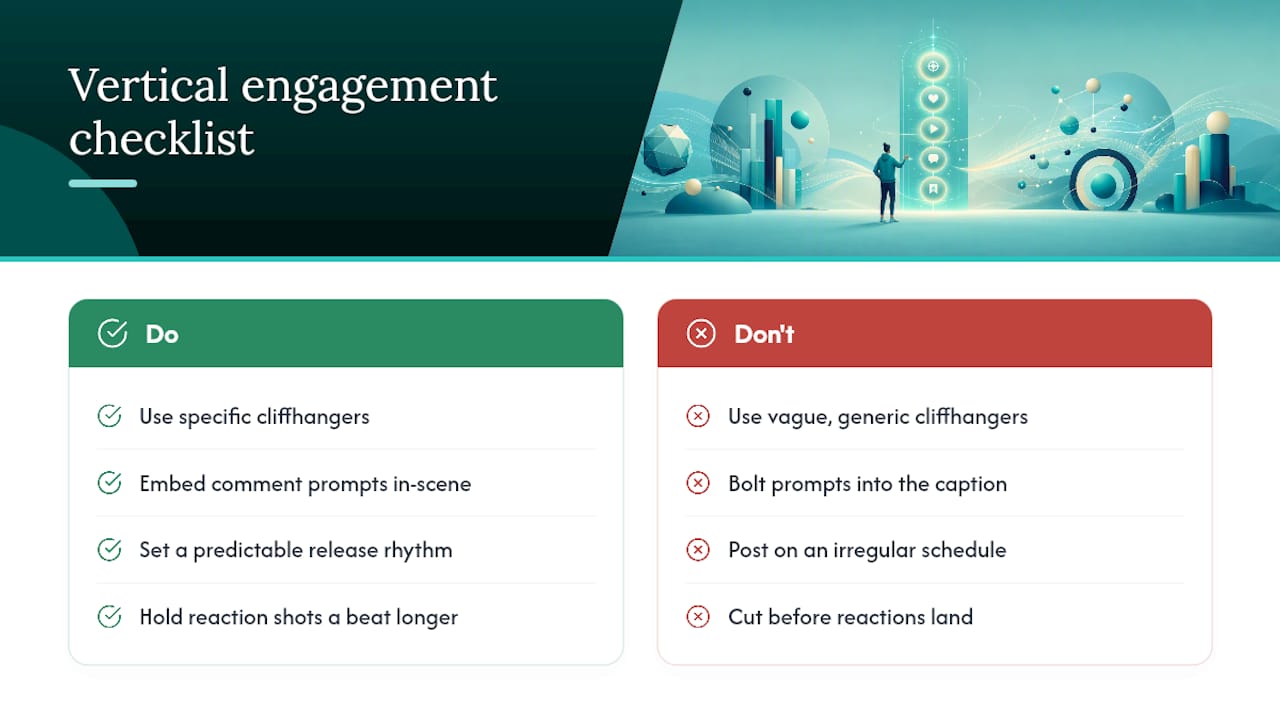
Cliffhangers are the single strongest lever, and they work best when they’re specific rather than vague. “Will she forgive him?” is weaker than showing the exact object, message, or face that changes everything, then cutting before the reaction lands. Specificity gives the viewer’s brain something concrete to want resolved.
Comment bait works, but only when it’s built into the story rather than bolted onto the caption. A character asking a direct question to camera, or a scene deliberately leaving a detail ambiguous, generates far more organic comments than a caption reading “let me know what you think.”
Serialized shows benefit from a release rhythm viewers can predict. Posting at the same time of day, or on a fixed schedule like three episodes a week, trains an audience to check back rather than stumble across your content once. That rhythm matters more for vertical drama than for one-off Reels, since retention across episodes is the metric that actually sustains a series.
Reaction shots deserve more screen time than most creators give them. A half-second longer on a character’s face processing bad news often outperforms cutting away too fast, because the viewer’s own emotional reaction needs a beat to catch up. Vertical’s intimacy is wasted if you cut before it lands.
Finally, respond inside the format. Duets, stitches, and reply videos native to short vertical films keep a show inside the platform’s own discovery loop instead of sending viewers elsewhere to engage.
Common Pitfalls in Vertical Storytelling and How to Fix Them
The most common mistake is shooting horizontal footage and cropping it after the fact. Cropped 16:9 footage loses headroom, forces awkward reframes, and almost always clips something essential out of frame. Shoot native vertical from the first take, every time.
The second pitfall is burying key information at the very top or bottom of the frame, right where platform UI lives. Usernames, like buttons, and caption bars routinely cover that space, so text or action placed there simply gets hidden from a real viewer even though it looks fine in your raw edit. Testing footage inside the actual app before publishing catches this every time a timeline preview won’t.
Pacing mistakes come in two flavors: episodes that front-load too much exposition before the hook, and episodes that escalate too fast with nothing left to reveal. Both kill rewatch value. A hook needs to arrive in the first 3 seconds, and your escalation needs somewhere left to go before the cliffhanger.
Formula fatigue is a real risk in serialized vertical drama specifically. Leaning too hard on the same cliffhanger structure episode after episode trains viewers to skip ahead once they sense the pattern. Vary how you deliver the “unresolved question” beat: sometimes visual, sometimes a line of dialogue, sometimes a sound cue with no visual payoff at all.
Finally, weak character continuity across a long series erodes trust fast. If a character’s motivation or backstory contradicts something from ten episodes earlier, attentive viewers notice, and they say so in comments. A locked series bible prevents most of this before it happens.
Advanced Techniques: Sound, Interactivity, and Format-Native Tricks
Sound carries more narrative weight in vertical video than in almost any other format, largely because so many viewers watch with sound off until something pulls them in. A well-placed sting, a sudden silence, or a familiar sound effect can signal a tonal shift faster than any visual cue, and captioned sound effects (a literal “door slams” styled into the caption) have become a genre convention of their own in short vertical films.
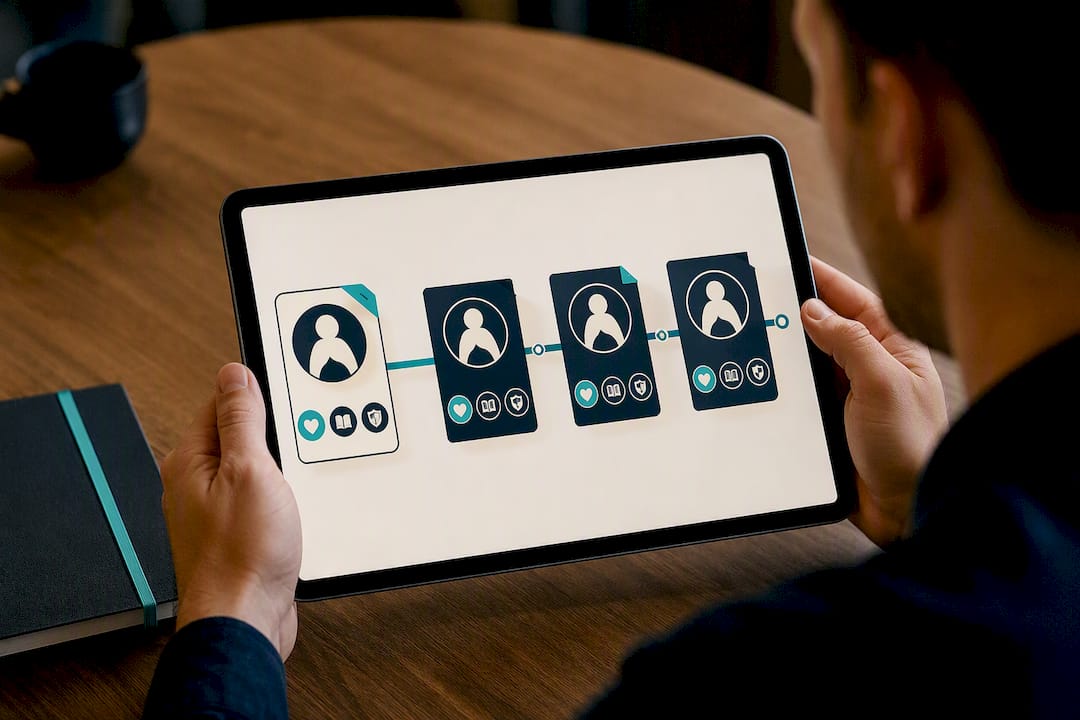
Interactive elements are still underused relative to how much they boost engagement. Polls embedded in a Story, a comment-triggered sequel episode, or a “choose the ending” format where the next post depends on which reply gets the most engagement all turn passive viewers into participants. These work especially well for serialized shows, where the audience already has a reason to come back.
Text-as-visual-element is another vertical-specific trick worth mastering. Rather than treating captions as a passive accessibility layer, animated or well-timed on-screen text can function as a punchline, a reveal, or a second voice in a scene, layered against the actor’s performance rather than simply transcribing it.
Layered pacing, mixing a slower emotional beat against a fast cut rhythm elsewhere in the same episode, keeps a 90-second runtime from feeling monotone. Vertical’s compressed runtime rewards contrast more than it rewards consistency: a slow held reaction shot lands harder right after three rapid cuts than it would on its own.
Author Perspective: Creative Opportunities and Trade-Offs
Vertical storytelling’s real strength is how directly it aligns creative success with business success: a stronger cliffhanger genuinely produces a stronger retention number, and that alignment is rare in entertainment. The trade-off is real too. Compressed runtimes punish nuance, and formula pressure can flatten distinct voices into the same three or four cliffhanger shapes.
The fix isn’t avoiding formula. It’s treating structure as scaffolding, not substance. Keep character motivation specific and let the hooks vary in delivery even when the underlying beat repeats. Speed and depth aren’t actually opposites here, but only if you resist the shortcut of writing the pattern instead of the person.
— Leonard
Produce Serialized Vertical Episodes Without the Production Team
Iguanify is the alternative to hiring an editor or production crew for every episode: you write a single line of script, and automated production handles casting continuity, dialogue, sound, and finished delivery in real time. That matters most for anyone trying to hit a weekly release schedule, since the manual workflow described throughout this guide, shot lists, edit templates, caption timing, takes real hours per episode that most solo creators and small teams simply don’t have.
You keep ownership of your content, and output arrives ready to publish straight to major vertical video platforms without a separate export or edit pass. If you’re weighing whether to build a season manually or let production run itself, start by generating a free show concept to see what a finished episode from your idea actually looks like before committing any credits to a full season.
Primary Sources and Further Reading
For deeper study on the mechanics covered here, John August’s breakdown of writing for microdramas is the sharpest look at episode engineering available. Raindance’s essay on vertical filmmaking as a creative language and the American Film Association’s summit strategies both offer wider industry context worth reading in full.
Sources
- Writing for microdramas, aka verticals — John August
- 9 tips for creating better vertical videos for social media — Pond5 blog
- Why vertical filmmaking is the future of storytelling — Raindance
- What Is Vertical Drama? The Definitive 2026 Guide — Streaming Radar