 IGUANIFY
One Hour Sound Design for Shorts: Phone First Workflow for Creators
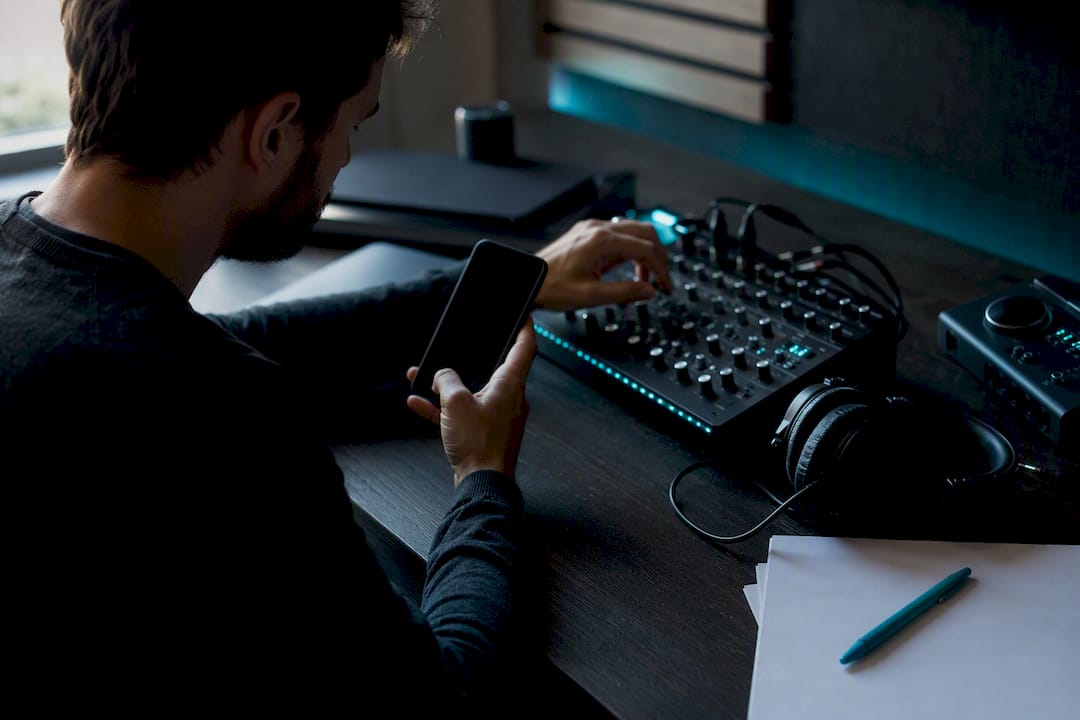
Prioritize dialogue clarity first, then build outward with a four-layer stack: dialogue, ambience, foley/SFX, and music. Run a fast initial pass with temp music to guide creative choices, then iterate while testing on a phone speaker and earbuds, watching loudness levels and licensing along the way. That sequence, applied consistently, is what separates a short that holds attention from one that gets scrolled past in three seconds.
TL;DR:
- Focusing on dialogue first during editing ensures it remains clear and never gets buried under ambient, Foley, or music layers.
- Using a four-layer sound design approach (dialogue, ambience, Foley, music) in the correct order significantly improves the professionalism and emotional impact of shorts.
- Mixing for mobile devices requires attention to frequency balance, with dialogue in the 300 to 3,000 Hz range and minimal low-frequency reliance due to device limitations.
- Maintaining a repeatable, organized workflow with templates, naming conventions, and presets is essential for producing consistent sound across multiple episodes on tight schedules.
- Automated tools like Iguanify help ensure sonic consistency and character continuity in series, reducing production time and maintaining quality on fast publishing cycles.
Table of Contents
- What Is Sound Design for Shorts, and Why Does the Layering Order Matter?
- How Do You Structure a Sound Design Workflow for a 60-Second Short?
- What Level Targets Keep Dialogue Clear on Phones and Earbuds?
- How Do You Use Sound as a Deliberate Storytelling Device?
- Where Should You Source Sound Effects, and What Should You Watch For?
- How Do You Stay Organized Across Multiple Short-Form Episodes?
- What Emotional Weight Does Sound Carry in a Short Film?
- How Should Sound Design Support Tight Pacing in Shorts?
- What Makes Sound Design for Shorts Different from Feature Films?
- A Working Creator’s View on What Actually Moves the Needle
- How Iguanify Keeps Your Episodes Sounding Consistent, Faster
- Sources
What Is Sound Design for Shorts, and Why Does the Layering Order Matter?
Sound design is the deliberate construction of everything a viewer hears that isn’t dialogue captured on set: ambience, foley, sound effects, and the way all of it sits underneath music. For short-form video, the term carries extra weight because you have maybe 30 to 90 seconds to earn trust with an audience that’s one thumb-flick away from leaving. Get the audio wrong and the visual work barely matters.
Most creators think about sound design backward. They finish the edit, drop in a trending audio track, and call it done. That approach ignores the layering that actually makes a short feel finished. Here’s the order that works, and when to add each piece during your edit.
- Dialogue: the foundation. Every other layer exists to support it, never bury it. Add during your rough cut, before anything else.
- Ambience/room tone: the environmental bed (traffic, wind, room hum) that keeps a scene from sounding like it’s floating in a vacuum. Add once picture is roughly locked, so you know how many scene changes you’re covering.
- Foley/action sounds: footsteps, door clicks, fabric rustle, prop handling. These sell physical presence. Add after ambience, tied to specific frames.
- Music/emotional underscore: the layer that tells viewers how to feel. Add a temp track early for pacing, then finalize after the SFX pass so it doesn’t fight for frequency space.
Listening context changes everything about how you judge these layers. A mix that sounds full on studio monitors can turn to mush on a phone speaker, and a track that feels quiet on earbuds might clip on a laptop. Check your work in both environments before you call it final, not after you’ve already published.
Pro Tip: Load your rough mix onto your phone, lock the screen, and play it through the built-in speaker while doing something else in the room. If you can still follow the dialogue without straining, your levels are in decent shape.
How Do You Structure a Sound Design Workflow for a 60-Second Short?
Feature films get months in the mix stage. Shorts get days, sometimes hours. That constraint means you need a workflow that’s repeatable and time-boxed rather than exploratory. A practical three-pass framework, borrowed from broader video sound design methodology, adapts well to short runtimes when you compress it into four focused stages.
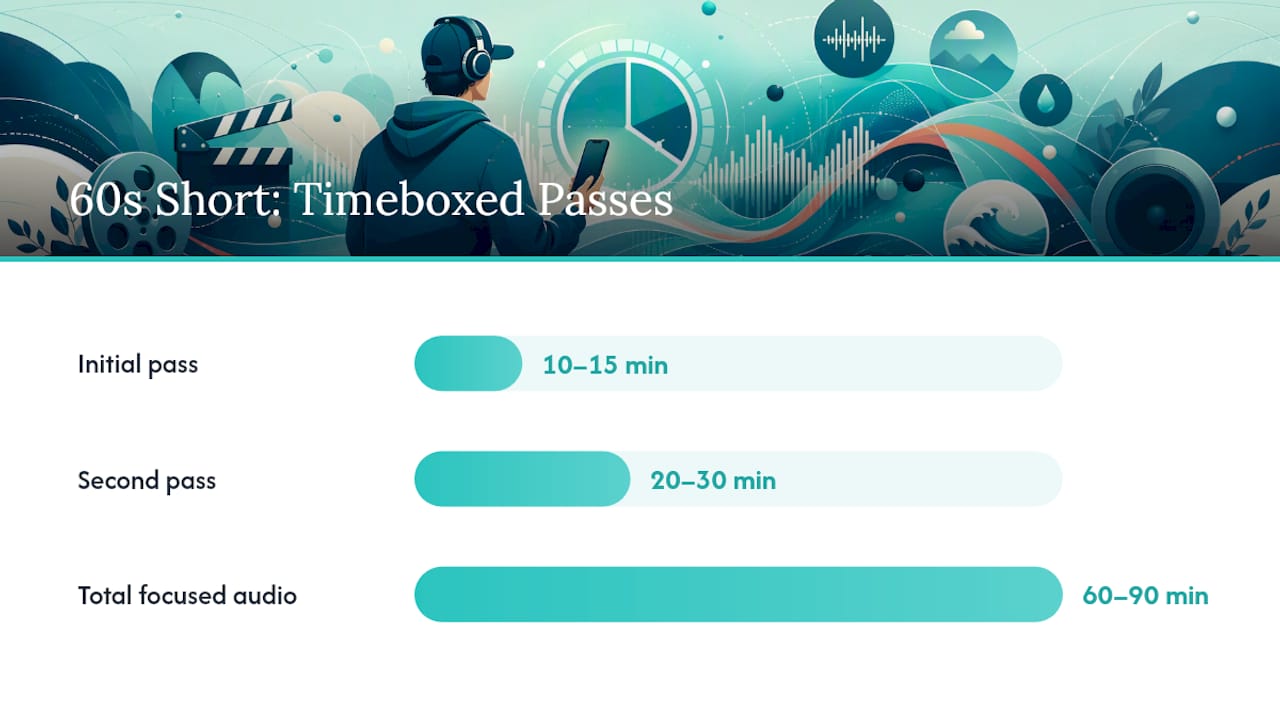
- Initial pass (temp music and rough ambience). Drop in a temporary music track and rough ambience beds before you touch a single sound effect. This isn’t laziness. Temp music sets the emotional pacing of the edit and tells you where silence needs to live, which directly informs which sound effects will actually register versus which ones will get lost under the score. Sync your production dialogue cleanly here too. Budget 10 to 15 minutes for a 30 to 90 second short.
- Second pass (foley and key SFX tied to performance). Watch the edit at full speed and mark every moment where a physical action needs a sound: a door, a footstep, a phone buzzing. Layer two or three sounds per action (a hard hit plus a softer tail, for example) rather than relying on one flat effect, which is what makes foley feel cheap. Avoid using the identical footstep sample for every character; ears notice repetition faster than eyes notice reused b-roll. Budget 20 to 30 minutes.
- Creative pass (abstract and character-driven sound). This is where you write sound into the story rather than just illustrating it. Ask what a feeling sounds like, not just what an object sounds like. A creeping anxiety might become a low-frequency drone that builds under a seemingly calm scene. This pass is optional on a tight deadline but it’s the difference between competent and memorable. Budget 15 to 20 minutes if you have the runway.
- Final pass (cleanup, EQ, compression, loudness export). Clean up dialogue noise, apply gentle compression to even out performance dynamics, and check your levels against a loudness standard before export. Iterative balancing matters more than any single plugin choice: practical mixing guidance consistently points to conservative peak levels and dialogue priority as the two things that keep a mix from falling apart on playback. Budget 15 to 20 minutes.
That adds up to roughly one to one and a half hours of focused audio work per short, which is realistic even on a punishing publishing schedule. Vertical drama engineers working on high-volume series echo this exact logic: preparation and organization matter more than raw talent when turnaround times get tight, because there’s no room to rebuild a session from scratch every episode.
Pro Tip: Set a timer for each pass. The moment you catch yourself auditioning your fifteenth door-close sample, you’ve left “sound design” and entered “procrastination.” Pick one that’s close enough and move on.
What Level Targets Keep Dialogue Clear on Phones and Earbuds?
Most people watching your short are not wearing studio headphones in a treated room. They’re on a subway platform, half-watching while scrolling, with one earbud in. That reality should dictate every mixing decision you make, starting with frequency space.
Dialogue lives mostly in the 300 Hz to 3,000 Hz range, so carve a gentle dip in your music and ambience beds in that band rather than just cranking dialogue volume to compete. A small notch around 2,000 to 3,000 Hz in competing elements does more for intelligibility than boosting the voice track ever will.
- Keep dialogue as the loudest consistent element in the mix, with music and ambience sitting noticeably underneath it, not fighting for the same space.
- Use gentle compression on dialogue to even out performance swings, then a light limiter across the master bus to catch stray peaks before export.
- De-ess sibilant consonants if your subject was recorded close to a phone mic; harsh “s” and “t” sounds get worse, not better, on phone speakers.
- Treat low frequencies as a bonus, not a foundation. Phone speakers reproduce almost nothing below 150 to 200 Hz, so a mix built around heavy bass will sound thin and lifeless on the exact device most viewers use.
That last point matters more than most creators realize. Engineers working in fast-turnaround vertical drama have found that when low end disappears on mobile playback, tension has to come from texture and rhythm instead, things like a rising rhythmic pulse or a subtle high-frequency shimmer that survives small speakers.
Before you publish, run an export checklist: confirm your codec matches platform requirements (AAC for most social platforms), check your loudness against your target export level, and play the final file on at least two real devices, not just your editing monitors. A five-minute check here saves a re-upload later.
How Do You Use Sound as a Deliberate Storytelling Device?
The best short-form audio doesn’t just support the picture, it does narrative work the picture can’t do alone. That means treating sound as a character with its own arc, not an afterthought layered on at the end.
The short film Hum is a useful reference point here. Its team built an entire sonic identity around deliberate risk-taking, using heavy ADR and layered foley work to create a distinct sound character rather than relying on naturalistic recording. The lesson isn’t “add more foley.” It’s that writing sound intentionally into your script, before you ever shoot, gives you material to build something distinctive instead of generic in post.
A few techniques travel well across genres and runtimes:
- Cut to silence right before your loudest or most emotional beat; the contrast does more work than volume alone.
- Use a single recurring foley detail (a specific footstep, a particular door creak) as a motif that primes viewers before a reveal.
- Build rhythmic sound patterns that echo your edit’s cutting pace, so audio and visual rhythm reinforce rather than compete.
Genre shifts the emphasis. Horror shorts lean on low-frequency dread and sudden silence breaks. Comedy relies on tight sync between sound and physical timing, a beat too late kills the joke. Drama tends to favor subtlety, understated ambience and restrained scoring that never announces itself. In every case, sound design handles realism and environment while music carries the emotional throughline, and balancing those two roles becomes more critical, not less, when your runtime gives you no room for a slow build.
Where Should You Source Sound Effects, and What Should You Watch For?
Speed matters on a publishing schedule, but so does staying inside the law. Three sourcing paths cover almost every situation you’ll run into on a short.
Stock SFX libraries work well when you need something specific fast, a car door, a crowd murmur, rain on glass. Large royalty-free platforms host extensive catalogs, but commercial use on platforms like TikTok and YouTube typically requires an active subscription to clear the rights, not a one-time download. Check the license terms before you publish, not after a claim hits your account.
Recording your own foley gives you full control and zero licensing risk, and it’s often faster than searching a library when the sound is simple, footsteps, fabric, a specific prop. It costs time up front but saves you from ever wondering if a sound clears for commercial use.
AI-generated SFX tools have gotten genuinely useful for short-form work. Tools that generate a tailored effect from a text prompt let you skip the search-and-import loop that traditional libraries require, dropping a usable sound straight onto your timeline. For a creator publishing multiple shorts a week, that time savings compounds fast.
- Stock libraries: best for common environmental and object sounds, requires subscription for commercial rights.
- Foley recording: best for simple, specific sounds, zero licensing concerns, higher time cost.
- AI SFX generation: best for fast turnaround and unusual or highly specific sound requests.
- DAW/mobile quick-fix tools: useful for basic EQ, compression, and loudness checks when you’re editing on the go.
Whatever mix you use, keep a running note of which sounds came from which source. Licensing disputes are rare but expensive, and a five-second habit now prevents a real headache later.
How Do You Stay Organized Across Multiple Short-Form Episodes?
If you’re producing a series rather than a one-off short, organization becomes the thing that either saves you or buries you. A few habits pay off fast.
- Build a session template with pre-labeled stem busses (dialogue, ambience, foley, music) so every new episode starts from the same structure instead of a blank session.
- Standardize naming conventions for recurring ambiences and foley assets, “alley_rain_loop_01” beats “new audio final v3” every time you need to find it again.
- Save presets for dialogue cleanup (noise reduction, EQ curve, compression settings) so cleanup takes minutes, not a rebuild from scratch.
- When handing off to a collaborator or an outsourced mixer, export organized stems with a short notes file flagging problem areas rather than one flattened file and a hope.
These habits matter more the longer a series runs. Ambient sound design in particular benefits from a consistent reference library, a documented approach to ambience makes it far easier to match tone across episodes shot weeks apart.
What Emotional Weight Does Sound Carry in a Short Film?
A short film doesn’t have the runtime to earn emotion through slow character development the way a feature does. It has to compress that work into seconds, and sound is one of the fastest tools available for doing it. A single well-placed ambient shift, a room going quiet, a distant siren fading in, can signal a tonal turn faster than a line of dialogue or a cut ever could.
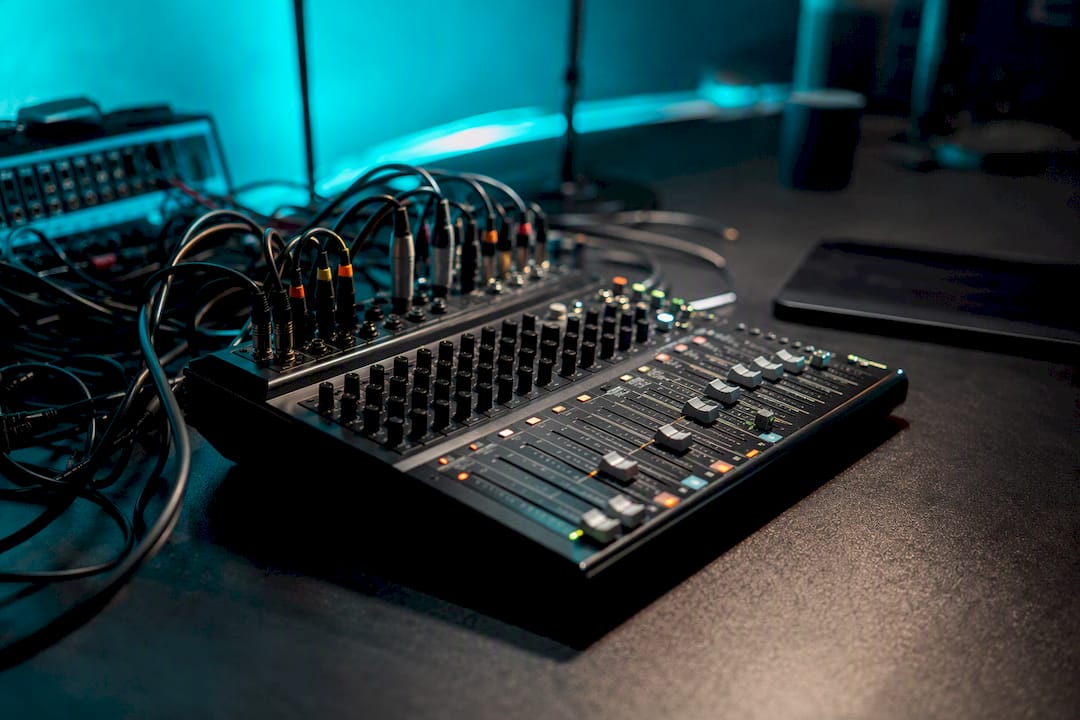
This is where sound design and music split responsibilities in ways worth understanding clearly. Sound design grounds a scene in physical reality: it tells the viewer where they are and makes the world feel inhabited. Music tells the viewer how to feel about what they’re seeing. In a runtime under two minutes, that balance has to be managed deliberately because there’s no space for both elements to compete for attention at once.
The emotional payoff of good sound design in shorts often comes from restraint rather than volume. A moment of near-silence after a loud beat reads as more emotionally significant than a swelling score, precisely because the contrast is so stark in a short format. Viewers register that shift almost instantly, even if they couldn’t articulate why. That’s the practical value of treating sound as an emotional instrument rather than a technical afterthought: it does narrative work your visuals and dialogue can’t do alone, in exactly the compressed window a short gives you to make an impression.
How Should Sound Design Support Tight Pacing in Shorts?
Pacing in a short film lives or dies on transitions, and sound is often the thing carrying a viewer from one beat to the next without them noticing the mechanics. A hard cut feels jarring unless something in the audio, a swell, a whoosh, a dropped ambience bed, signals the shift is intentional.
The practical rule: match your sound design decisions to your edit rhythm, not the other way around. If your cuts are fast and punchy, your sound effects need to hit precisely on frame, not a beat late. If you’re building tension across a longer sustained shot, let ambience and a subtle underscore carry the weight instead of relying on constant SFX hits that would exhaust a viewer in a longer format but read as noise in a short one.
Avoid the trap of scoring every single cut with a sound effect. That approach, common in early edits, actually undercuts pacing because it removes the contrast that makes any single sound meaningful. Save your strongest audio hits for the moments that matter, a reveal, a punchline, a cut to black, and let quieter transitions pass with minimal sonic decoration. This selective approach also protects intelligibility: a mix that’s constantly busy makes dialogue harder to track, which is the one thing you can’t afford to sacrifice in a format where viewers are already deciding in the first three seconds whether to keep watching.
If you’re producing episodic shorts, this pacing discipline compounds. Viewers who learn your show’s sonic rhythm, when a swell means something’s about to happen, when silence means pay attention, become more attentive across episodes, not just within one.
What Makes Sound Design for Shorts Different from Feature Films?
The core skills transfer, but the constraints don’t. A feature film mixer might spend weeks in a dub stage refining a single reel. A short-form creator often has hours, sometimes less, and no dub stage at all, just a laptop and a deadline.
Runtime is the biggest structural difference. A feature can spend three minutes building ambient tension before a payoff. A short has to establish mood, deliver a turn, and land an ending inside 60 to 90 seconds total, which means every sound choice needs to work harder and faster. There’s no room for a slow reveal of a soundscape; it has to register almost instantly.
Playback environment is the second major gap. Feature films are mixed assuming a controlled theatrical or home theater environment. Shorts are consumed almost entirely on phone speakers and earbuds in uncontrolled, noisy environments, which changes frequency decisions, level targets, and how much low end you can realistically rely on.
Budget and crew size compound both problems. A feature has a dedicated sound department: a supervising sound editor, a foley artist, a re-recording mixer, often working in parallel. A short-form creator is frequently doing all of that alone, which is exactly why a repeatable, time-boxed workflow matters more here than almost anywhere else in production. The tools and craft principles are the same ones that built feature-length sound design; the discipline required to apply them inside an hour instead of a month is what actually separates a competent short creator from one still learning the ropes.
A Working Creator’s View on What Actually Moves the Needle
Most advice on sound design assumes you have time to experiment. Short-form production rarely offers that luxury, and the creators who consistently put out clean, engaging audio aren’t the ones with the fanciest plugins. They’re the ones who built a repeatable process and stopped reinventing it every episode.
The habit worth building first isn’t a mixing technique, it’s a template. A session with pre-built stem busses, consistent naming, and go-to presets for dialogue cleanup turns a 90-minute audio session into a 30-minute one by the fifth episode. That consistency is also what makes a series feel professional across installments, viewers register a stable sonic identity even if they can’t name why an episode “feels” like it belongs with the others.
Automation platforms fit naturally into this picture, not as a replacement for creative judgment but as a way to keep the repetitive parts consistent while you spend your limited time on the choices that actually matter, like Iguanify, which pairs automated episode production with the same kind of template thinking that makes an audio workflow sustainable across a growing series.
— Leonard
How Iguanify Keeps Your Episodes Sounding Consistent, Faster
Building the same sound design discipline into every episode of a series is hard enough with unlimited time. It’s a different problem entirely when you’re trying to publish on a weekly, or daily, cadence. Iguanify was built for exactly that gap: an automated platform that produces fully realized episodes, dialogue, sound, and consistent recurring characters, from a single line of script, so you’re not rebuilding your audio approach from scratch every time you sit down to edit.
That consistency matters more than most creators expect once a series grows past a handful of episodes. Iguanify maintains character continuity across your entire run, which extends naturally to how each episode sounds, a real advantage over piecing together separate tools that don’t talk to each other. You keep full ownership and rights to everything produced, and delivery is instant, ready to publish straight to TikTok, YouTube, or Instagram without a separate editing pass. If you’re exploring how to build ReelShort-style vertical drama without assembling a full production team, start with the AI Drama Generator and see what a finished episode looks like from your own premise.
Sources
- Sound Effects | Royalty-free download for video | Epidemic Sound
- How to Sound Design a Video | Step-By-Step Tutorial | Film Editing Pro
- Abnormal Frequencies: Sound-designing the short film Hum | Filmmaker Magazine
- AI sound effects for short-form video — Fuse | Fuse by Mubert
- Sound design vs music: key roles in short films | IndieShortsMag